
St. LouisMO
63139
636-328-0545
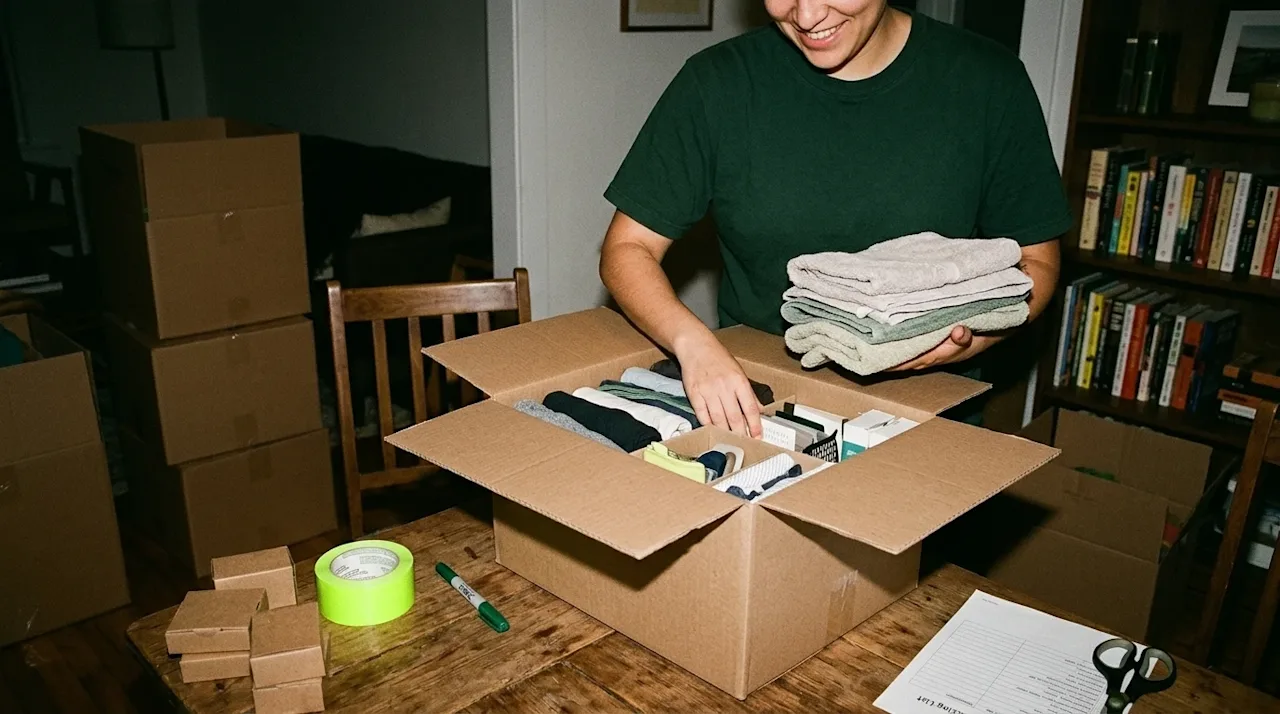
Move With Organization
Moving has a funny way of making you realize just how much stuff you own. That kitchen drawer you haven't opened in three years? Suddenly, it's your responsibility. If you're wondering how to organize a move, the trick isn't doing everything at once. It's breaking the process into manageable steps, so you always know what needs to happen next.
Whether you're moving to St. Louis or heading somewhere new from the area, a little planning can make a big difference. From creating a moving schedule to sorting through forgotten closets, these tips can help you stay on track and make moving day much easier to handle.
Start With a Moving Plan
Before you put a single item in a box, take some time to figure out what your move actually involves. Choose your moving date, decide whether you'll hire professional movers, and make a list of the major tasks that need to be completed before then. Think about utilities, address changes, packing, cleaning, and anything else that needs to happen before you leave your current home.
Creating a moving schedule can keep all those little tasks from piling up at the last minute. Give yourself deadlines for each room rather than treating the entire house as one giant project. A moving schedule is one of the most useful moving organization tips because it turns an overwhelming job into a series of smaller ones.
Declutter Before You Start Packing
One of the easiest ways to make an organized move is to avoid moving things you don't want in the first place. Before you start filling boxes, go through closets, cabinets, the garage, and those mysterious storage spaces where forgotten belongings tend to accumulate.
Make separate piles for things you want to donate, sell, recycle, or throw away. Some of the items you can toss out before moving may include expired pantry goods, broken appliances, worn-out clothing, outdated paperwork, and furniture you no longer have room for. The less you have to pack, load, transport, and unpack, the easier the entire process becomes.
Pack One Room at a Time
Once you've narrowed down your belongings, it's time to start packing. Rather than bouncing between rooms, focus on one space at a time. Start with rooms and items you don't use every day, such as guest rooms, seasonal decorations, formal dining spaces, or extra linens.
Good packing tips can make the process much less chaotic. Keep similar belongings together, don't overload boxes, and use sturdy packing supplies that can handle the weight of what's inside. If you're packing fragile items yourself, wrap dishes, glassware, and decorative pieces individually and add cushioning around them.
This approach creates more organized packing and makes it easier to see your progress. Once a room is finished, clean it and move on to the next one. That little bit of progress can be surprisingly motivating.
Label Every Box Clearly
A box labeled "stuff" might seem perfectly understandable when you're packing it at 9 p.m. Three weeks later, you'll probably disagree.
Labeling moving boxes is one of the simplest ways to make moving day and unpacking easier. Write the room name and a brief description of the contents on each box. You can also use colored tape or markers to create a system for different rooms.
For example, kitchen boxes could have blue labels while bedroom boxes have green ones. Keep the labels on multiple sides of the box so they're easy to spot when everything is stacked together.
If you're working with residential movers, clear labels also give the crew a quick reference when bringing boxes into your new home. Instead of stopping to ask where every box belongs, they can place things in the appropriate rooms from the start.
Create a Moving Day Checklist
Packing is only one piece of the puzzle. As moving day gets closer, create a moving day checklist with the tasks that need to happen before the truck arrives and before you leave your old home.
A few things to keep on your list
Set aside important documents, medications, chargers, toiletries, and a change of clothes.
Keep keys, wallets, phones, and other essentials somewhere easy to find.
Confirm the arrival time with your moving company.
Make sure pathways and entryways are clear for packing and loading the moving truck.
Do a final walkthrough of every closet, cabinet, drawer, attic, basement, and garage.
Keep cleaning supplies handy for your final sweep.
Having these details written down means you don't have to rely on your memory when the house is full of boxes, and people are coming and going.
Decide What Help You Need
Not every move requires the same amount of help. Some people are perfectly comfortable packing everything themselves, while others would rather hand the job over to professionals. If you're short on time or have a lot of fragile or specialty belongings, packing services can take some of the work off your plate.
Professional movers can also help with the physical side of the move, including loading and unloading. If you're hiring a moving company, ask about the services available and determine which parts of the process you want to handle yourself.
The goal of organized moving isn't necessarily to do everything on your own. It's to have a clear plan for who is doing what and when.
Make Unpacking Part of the Plan
It's easy to think the move is over once the truck pulls away, but that's when another project begins. Unpacking and organizing your new home will be much easier if you've already labeled your boxes and kept similar items together.
Start with the rooms you need most, such as the bedroom, bathroom, and kitchen. There's no rule saying every box has to be unpacked on the first night. Give yourself permission to work through the house at a reasonable pace.
If you're still wondering how to organize a move, remember that your goal isn't perfection. It's creating a system that keeps you from searching through 20 boxes just to find the coffee maker.
Keep Your Move Organized From Start to Finish
A little preparation can go a long way toward making your move easier to manage. By decluttering early, creating a moving schedule, packing room by room, labeling boxes, and planning for moving day, you'll have a much better handle on everything before the truck arrives.
Whether you're preparing for a move across town or moving to St. Louis from somewhere else, the same basic strategy applies: plan ahead, stay organized, and don't be afraid to ask for help. If you're still figuring out how to organize a move, All My Sons Moving & Storage can help you plan the next steps and take some of the heavy lifting off your list.
EXPLORE SIMILAR ARTICLES

There’s a funny moment that happens after a move. The boxes are unpacked, the furniture is in place, and you finally have a chance to look around. Everything is technically where it belongs, but something still feels… unfinished. That's because...
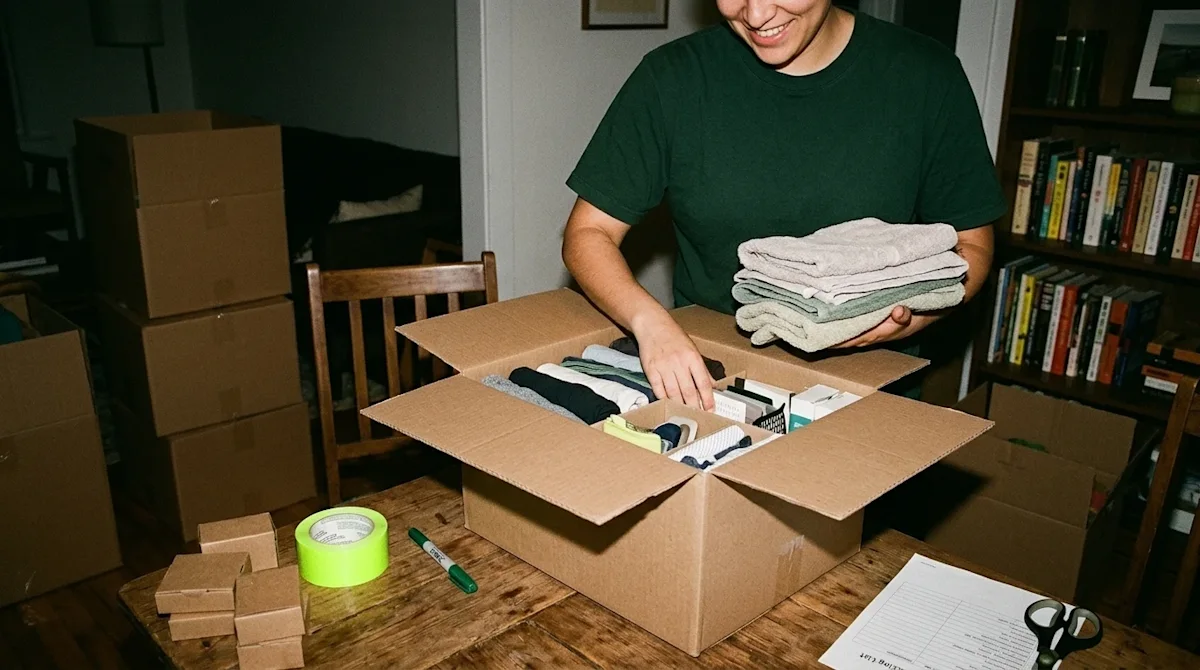
Moving has a funny way of making you realize just how much stuff you own. That kitchen drawer you haven't opened in three years? Suddenly, it's your responsibility. If you're wondering how to organize a move, the trick isn't doing...

Moving a business is a little like moving a house, except the boxes contain computers, contracts, inventory, and the occasional office plant that has somehow survived three CEOs. A commercial move takes planning, but choosing where to move can be...


