
OmahaNE
68127
402-500-2904
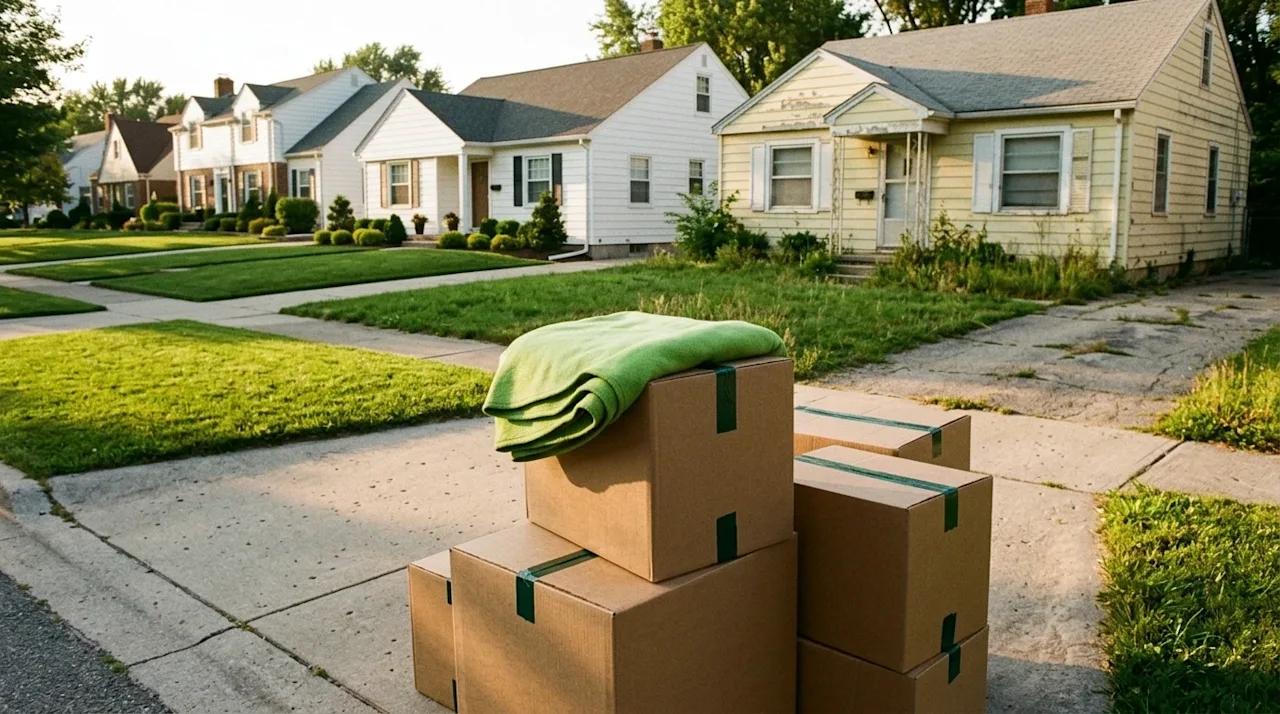
Will Your Suburb Become a Slum?
One of the most detrimental side effects of the real industry collapse has been the impact of traditionally desirable areas, like new suburbs that cropped up on the outlying areas of major cities. Suburbs that were once the American Dream are currently falling into an initially far off category of slum. How do these new, high end, cookie cutter suburban homes start to resemble an abandoned neighborhood that falls decrepit? It's scarily easy. Thanks to the foreclosure crisis, many homes sit vacant and slowly fall apart, since no one is living there or managing the maintenance. The Omaha local movers want to help share some insight into how the nicest areas can become run of the mill slums.
There is a prediction that the amount of surplus lots that are developed and fall vacant will be up to 25 million in 2030, and that some of them will be divided into multi-family housing developments as the likelihood on one family taking over the property becomes less likely. This becomes problematic for the homeowners living in these neighborhoods that are on time with their mortgage and responsible, because the changing demographics will lessen property values and generally bring down the value of the neighborhood as a whole. Many of the houses still sit empty, or have been rented out as Section 8 housing. Many of the lawns are brown and weedy. Graffiti are starting to crop up on walls and signs throughout the area. Sheets, not curtains, are tacked up in some windows.
The suburbs are also becoming a more expensive place to facilitate living in, thanks to factors like the rising cost of gasoline. Some households, such as those with teenagers and multiple drivers, have about 30% of their income on transportation. On average, Europeans spend 9%, which is quite a difference.
Developers and lenders who got excited during the building boom can be to blame for the existing surplus of homes in many areas, and the attraction was there thanks to cheaper land, easier zoning, and willing lenders ready to finance. However, homes along the fringe of towns and cities is not what people want, according to a survey of Americans that found that 60% of 12,360 people would like to be in walkable communities with shops, amenities, and other retailers nearby, thus eliminating the need to drive everywhere.
So what is to become of the suburban sprawl that so many cities are stuck with? Unless commercial and retail entities are built near them, they will likely sit as undesirable while prospective buyers seek out homes close to schools, church, recreation and more.
EXPLORE SIMILAR ARTICLES
What's more sincere than the purrs of affection from your cat as you come through the door after a long day? Pets are what make a house a home. There is nothing like the love of a cat or furry...
With an upcoming move to Omaha, your plate is most likely filled with relocation tasks to complete. Such tasks may include booking Nebraska movers to help you move hassle-free, changing your address with various places of importance, closing on the...
Omaha, Nebraska is a diverse city with various districts and areas that cater to a wide range of individuals. We have been Omaha movers for more than three decades, and in this time the city has become second nature to...


